Yeasty Dog? Everything You Need to Know About Yeast Infections in Dogs
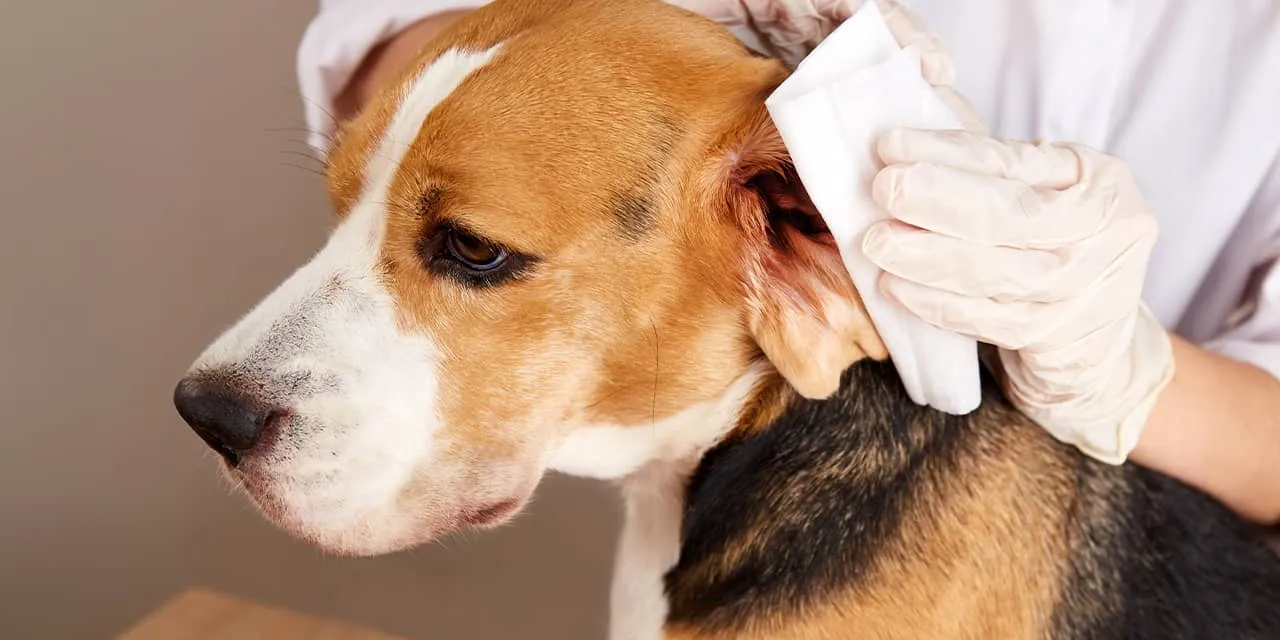
Table of Contents
- Symptoms of a Yeast Infection in Dogs Include:
- Which Foods Can Cause Yeast Problems In Dogs?
- Probiotics and the Canine Microbiome
- The Role Of Yeast In Post Biotics
- When Is It Time to Contact the Vet?
- 4 Home Remedies for Yeast in Dogs
- Why Choose Bark Biotic To Improve Your Dog’s Microbiome?
- CaniLabs Tip: Yeast Infection Remedy for Dogs
- Frequently Asked Questions About Yeast In Dogs
- Conclusion
If your furry friend is itching, scratching, or showing signs of discomfort, you may be dealing with a dog with a yeast infection.
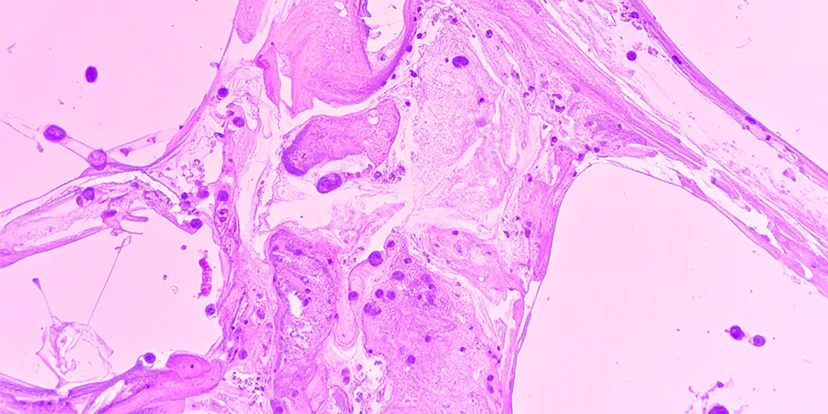
Yeast infections are a common issue in dogs, affecting the skin, paws, ears, or other areas prone to moisture. Fortunately, understanding yeast, how it affects your dog, and remedies like probiotics and postbiotics can help restore your pup’s health and get that yeasty dog back to thriving again.
Symptoms of a Yeast Infection in Dogs Include:
Recognizing the signs early can prevent further discomfort for your dog. Symptoms of a yeast infection in dogs include:
- Red, inflamed, or irritated skin.
- Greasy or scaly skin texture.
- Persistent itching or licking, especially of the paws or ears.
- A distinct, musty odor emanating from the infected area.
- Dark discharge from the ears or crusty buildup.
- Discolored, thickened skin in chronic cases.
If your dog shows these symptoms, it’s essential to address the underlying cause promptly.
Which Foods Can Cause Yeast Problems In Dogs?
A poor diet can contribute to yeast overgrowth. Foods high in sugars and carbohydrates, such as those found in low-quality dog foods, may feed yeast and exacerbate the problem. Ingredients to watch out for include:
- Corn and wheat fillers.
- Starchy vegetables like potatoes and peas.
- Sugary treats or foods.
Switching to a high-quality, balanced diet with limited carbohydrates can help prevent future issues.
Probiotics and the Canine Microbiome
One of the most effective ways to combat yeast infections in dogs is by improving their microbiome. The microbiome refers to the collection of beneficial bacteria and microorganisms that live in your dog’s body, primarily in the gut. When this balance is disrupted, harmful yeast can take over.
Probiotics are supplements containing live beneficial bacteria that restore balance to the microbiome. These “good bugs” compete with yeast, reducing its ability to thrive. By introducing probiotics into your dog’s routine, you can strengthen their natural defenses against yeast infections.
The Role Of Yeast In Post Biotics
It might sound counterintuitive, but yeast is often an active ingredient in postbiotics, a type of supplement that provides the byproducts of probiotic fermentation. Postbiotics include compounds like enzymes, peptides, and beneficial metabolites that enhance overall health.
While it may seem strange to use yeast to combat yeast, not all yeast is harmful. Saccharomyces boulardii, for instance, is a beneficial yeast strain that fights harmful bacteria and regulates the gut. It can reduce inflammation and improve immune responses, making it a helpful tool in managing yeast overgrowth.
When Is It Time to Contact the Vet?
While many cases of yeast infections in dogs can be managed with home remedies and dietary changes, there are times when professional intervention is essential. Contact your veterinarian if:
- The symptoms persist or worsen despite treatment.
- Your dog develops open sores, bleeding, or severe redness.
- There is a thick discharge from the ears or an unpleasant smell that doesn’t improve.
- Your dog seems in pain, lethargic, or otherwise unwell.
- The infection recurs frequently, indicating an underlying issue.
Early intervention from a vet can prevent complications and ensure your dog gets the proper care they need.
4 Home Remedies for Yeast in Dogs
If you’re wondering, “How do you get rid of a yeast infection with a dog?”, there are several home remedies you can try. However, these should complement veterinary advice, not replace it.
1. Coconut Oil
How It Helps: Coconut oil contains natural antifungal and antibacterial properties, thanks to compounds like lauric acid. When applied topically, it can soothe irritated skin, reduce inflammation, and help inhibit the growth of yeast.
How to Use:
- Apply a small amount directly to the affected area.
- Gently massage it into the skin to promote absorption.
- Avoid overuse to prevent the area from becoming too greasy or attracting dirt.
Bonus: Coconut oil also moisturizes dry, scaly skin, which is common in yeast infections.
2. Apple Cider Vinegar (ACV)
How It Helps: Apple cider vinegar (ACV) is a natural remedy that creates an environment yeast can’t thrive in. Its acidity helps balance the pH of your dog’s skin, making it less hospitable to fungal overgrowth. It also has mild antibacterial properties, which can prevent secondary infections.
How to Use:
- Mix equal parts apple cider vinegar and water in a spray bottle.
- Spray the solution onto the affected area, avoiding open wounds.
- Allow it to air dry, and repeat daily.
Important Tip: Always dilute ACV, as undiluted vinegar can irritate your dog’s skin.
3. Probiotic Supplements
How They Help: Probiotics work from the inside out by restoring balance to your dog’s gut microbiome. Yeast overgrowth often starts with an imbalance in the body’s bacteria, and probiotics replenish the “good” bacteria that help keep yeast in check.
How to Use:
- Look for dog-specific probiotic supplements like Bark Biotic, which includes probiotics, prebiotics, and postbiotics for a comprehensive approach.
- Administer according to the package instructions or your vet’s guidance.
- Combine with a low-carb diet to maximize the benefits.
Bonus: Probiotics also boost your dog’s immune system, reducing the risk of future infections.
4. Specialised Shampoos
How They Help: Veterinary-approved anti-yeast shampoos are specifically designed to combat fungal infections on your dog’s skin. These shampoos often contain antifungal agents like ketoconazole or chlorhexidine, which eliminate yeast and soothe irritation.
How to Use:
- Bathe your dog using the shampoo, ensuring it lathers well on the affected areas.
- Let the shampoo sit on the skin for 5–10 minutes before rinsing thoroughly.
- Use as directed, typically 1–2 times per week.
Tip: Follow up with a moisturizing conditioner if the shampoo causes dryness.
Combining Remedies for Maximum Effect
Using a combination of these remedies can be even more effective in combating yeast infections. For example:
- Bathe your dog with an anti-yeast shampoo to clean and soothe the skin.
- After drying, apply diluted apple cider vinegar as a leave-on treatment.
- Use coconut oil to moisturize and further fight yeast in localized areas.
- Support their internal health with a probiotic supplement like Bark Biotic to target the root cause.
By addressing both the external symptoms and internal balance, you can give your dog the relief they need and prevent future yeast infections.
Why Choose Bark Biotic To Improve Your Dog’s Microbiome?
When it comes to fighting yeast infections and supporting overall gut health, a powerful three-pronged approach is key: prebiotics, probiotics, and postbiotics. Bark Biotic is specially formulated to target yeast issues in dogs by:
- Providing prebiotics, which act as food for beneficial bacteria.
- Delivering live probiotics to restore microbiome balance.
- Incorporating yeast-fighting postbiotics like Saccharomyces boulardii (Yeast Fermentate) for added immune support.
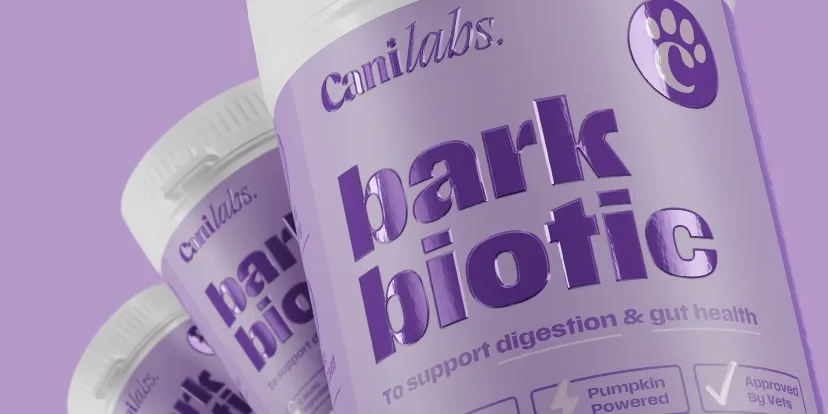
Whether your dog is dealing with a current infection, or you want to prevent future problems, Bark Biotic is a complete solution for improving their gut health and overall daily well-being.
Click here to learn more about Bark Biotic and how it can help your dog!
CaniLabs Tip: Yeast Infection Remedy for Dogs
Ultimately some dogs might be just Yeasty! So as owners we can only do as best as we can to stay on top of it. The best remedy for a yeast infection in dogs combines proper hygiene, a balanced diet, and microbiome-supporting supplements like probiotics or postbiotics.
- Clean the affected areas regularly.
- Feed your dog a low-carbohydrate, high-protein diet.
- Use probiotics to restore bacterial balance and fight yeast overgrowth.
- Incorporate postbiotics for additional support in reducing inflammation and boosting immunity.
Frequently Asked Questions About Yeast In Dogs
How do you get rid of a yeast infection in a dog?
To treat a yeast infection in your dog, start by addressing the underlying cause. Use anti-yeast shampoos to clean the skin, apply remedies like coconut oil or diluted apple cider vinegar to soothe irritation, and introduce a probiotic supplement, such as Bark Biotic, to restore your dog’s microbiome. Always consult your vet if symptoms persist or worsen.
Which foods cause / make worse yeast infections in dogs?
Foods high in sugars and carbohydrates, such as corn, wheat, starchy vegetables (like potatoes and peas), and sugary treats, can contribute to yeast overgrowth. Switching to a low-carb, high-protein diet can help manage and prevent yeast infections.
What are the symptoms of a yeast infection in dogs?
Symptoms include red, inflamed skin, persistent itching, a musty odor, greasy or scaly skin, dark discharge from the ears, and thickened, discolored skin in chronic cases. If your dog shows any of these signs, it’s important to act quickly.
Can probiotics really help with yeast infections in dogs?
Yes! Probiotics restore the balance of beneficial bacteria in your dog’s gut microbiome, which helps control yeast overgrowth. A comprehensive supplement like Bark Biotic includes probiotics, prebiotics, and postbiotics to target the infection from within and support overall health.
Are home remedies like apple cider vinegar safe for my dog?
When diluted, apple cider vinegar is safe and effective for treating yeast infections on your dog’s skin. It balances the skin’s pH, making it less hospitable to yeast. However, avoid applying it to open sores or wounds, and always consult your vet before starting home treatments.
When should I contact a vet about my dog’s yeast infection?
You should contact your vet if your dog’s symptoms persist or worsen despite treatment, if they develop open sores or severe redness, or if the infection recurs frequently. Chronic or severe yeast infections may indicate an underlying health issue that requires professional attention.
Conclusion
A yeasty dog doesn’t have to stay that way. By recognizing symptoms early, improving their diet, and using microbiome-supporting supplements like probiotics and postbiotics, you can help your dog feel comfortable and healthy again. While yeast infections can be frustrating, the right remedies can make all the difference in your dog’s well-being.
Key Takeaways:
- Recognize symptoms like itching, odor, and skin irritation.
- Avoid foods that feed yeast, like corn and starchy vegetables.
- Use probiotics and postbiotics to restore balance and fight infections.
- Try safe home remedies alongside professional care.
By addressing the root causes and supporting your dog’s microbiome, you can ensure your pup enjoys a life free of itching and irritation!
Got a yeasty dog? Share your story or questions below — we’d love to help!