Dog Microbiome: What Actually Makes a Difference?
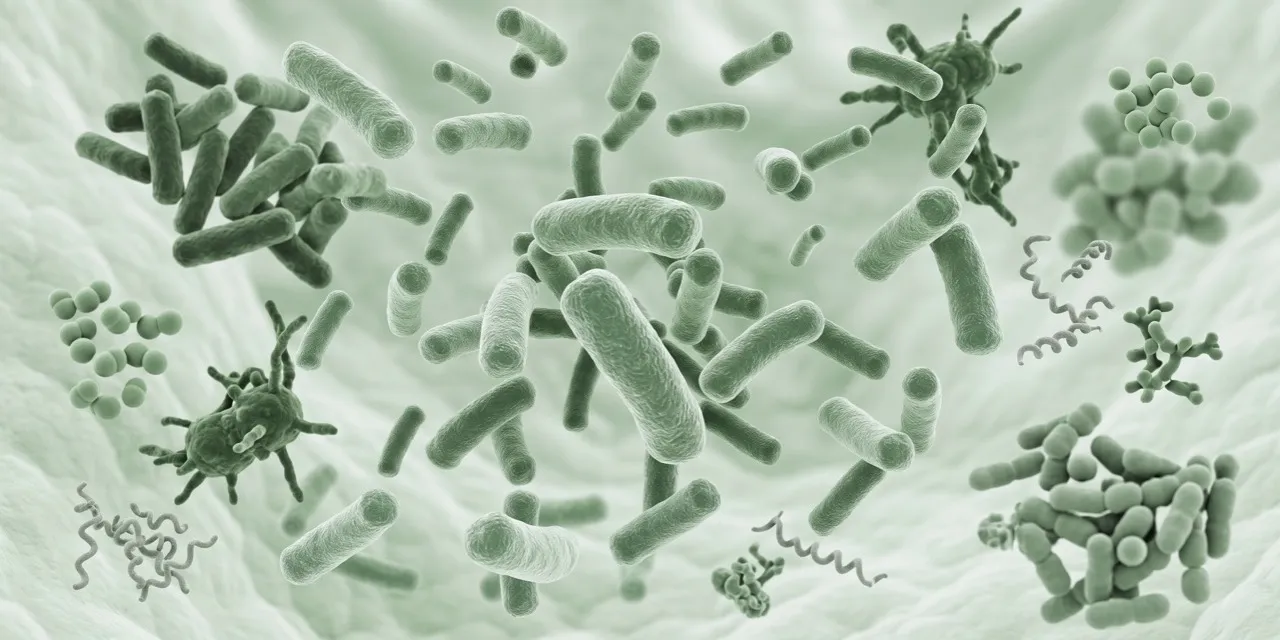
Table of Contents
- What is the dog microbiome?
- What does a healthy microbiome look like?
- What is dysbiosis?
- What actually affects your dog’s microbiome
- So how do you support it?
- Where Bark Biotic fits
- Do microbiome supplements actually work?
- Can you test your dog’s microbiome?
- How quickly can it change?
- Frequently Asked Questions About the Dog Microbiome
- The bottom line
- References and further reading
If you’ve typed “dog microbiome” into Google late at night, you’ll have met probiotics, prebiotics, postbiotics, kefir, raw diets, poo tests and a powder with roughly seven billion ingredients, none of them pronounceable.
I started Canilabs because of Ives, my Hungarian Vizsla, whose itching and digestive problems sent me down exactly that rabbit hole. So here’s the less exciting, more useful answer I wish I’d found first: your dog’s microbiome isn’t run by one supplement, one strain or one superfood. It’s an ecosystem, and nearly everything you do nudges it.
No miracle cures. No single “good bacteria”. Just what we currently know.
What is the dog microbiome?
Your dog’s gut is home to an enormous community of bacteria, fungi, viruses and other microbes. Together, they and their genes make up the gut microbiome. (Strictly, “microbiota” is the microbes and “microbiome” is the microbes plus their genes and surroundings. Try that at the dog park and see how many friends you make.)
These microbes aren’t freeloaders. They ferment the fibres and carbohydrates your dog can’t fully digest, producing short-chain fatty acids (SCFAs) such as acetate, propionate and butyrate. Those interact with the gut lining, the immune system and wider metabolism.
Gut bacteria also turn the primary bile acids your dog makes into secondary bile acids. Researchers are increasingly looking at how disruption to that process is involved in digestive disease in dogs.
So looking after the microbiome isn’t about cramming as many bacteria as possible into the dinner bowl. It’s about keeping a stable ecosystem that does its job.
What does a healthy microbiome look like?
Nobody has agreed a recipe for the “perfect” dog microbiome. Healthy dogs differ by age, diet, size, health and environment, and their gut bacteria differ with them.
So “more bacteria = better” and “more diversity = healthier” don’t tell the whole story. Scientists now care as much about what the microbes are doing (what they produce, what they ferment, what they do with bile acids) as about who’s there.
Think less Pokémon, where the aim is to collect as many as possible, and more allotment. You want it working, not crowded.
What is dysbiosis?
Dysbiosis means the normal microbial community has been disrupted. It’s linked to several gut conditions in dogs, especially chronic enteropathies and diarrhoeal disease.
It does not mean “his poo was a bit soft this morning, so his microbiome is broken”. Stools change for all sorts of reasons, and a shift in gut bacteria can be a result of illness rather than the cause.
Tools such as the canine Dysbiosis Index measure changes in specific bacterial groups, but the science is still moving fast. So what actually pushes the ecosystem around? Quite a lot.
What actually affects your dog’s microbiome
1. Diet, more than anything
If you take one thing from this: feed the ecosystem, not just the dog. Diet is one of the most consistent influences researchers see. Change the protein, carbohydrate and fibre reaching the gut and you change which microbes thrive and what they produce.
Fibre is the interesting bit. Some fibres survive the upper gut and get fermented in the large intestine, producing SCFAs. In dogs, potato fibre, soybean husk and inulin-type fructans have all been shown to shift gut bacteria and raise certain fermentation products, which is one reason prebiotics are such a busy research area.
2. The whole diet, not the hero ingredient
Pumpkin! Kefir! A green powder Instagram has decided every mammal needs! It’s easy to fixate on one ingredient, but the microbiome gets input from everything: main meals, treats, chews, table scraps, the toast your toddler definitely didn’t hand over, and half a sandwich found under a hedge.
Looking at the overall diet makes far more sense than trying to hack it with one fashionable ingredient.
3. Switching foods
New food means new material reaching the gut, so it changes the microbiome. That’s no reason not to switch. But big, sudden changes are one reason vets and manufacturers suggest transitioning gradually where you can. A bit of consistency goes a long way.
What about raw feeding? Raw-fed dogs do have different gut profiles, with studies reporting differences in Fusobacteria, Firmicutes and Bacteroidetes. Different isn’t the same as better, and more diversity on its own isn’t enough to crown a feeding method. Raw also carries separate food-safety considerations, which aren’t a microbiome question at all. Be wary of anyone using microbiome data alone to tell every dog what to eat.
4. Antibiotics
One of the clearest ways to shake the ecosystem quickly. Antibiotics are vital medicines, and if your dog needs them, your vet’s treatment comes first. They just don’t only hit the bacteria you’d like them to.
Metronidazole is well studied. In one study of healthy dogs it significantly changed microbiome composition, reduced microbial richness and altered bile acid metabolism, with some changes still present four weeks after treatment stopped. Another found disruption lasting around four to six weeks before dogs drifted back towards their pre-treatment profile. Easy to knock over, then, but surprisingly good at getting back up.
Probiotics after antibiotics? Possibly, but it isn’t as simple as “antibiotics take bacteria out, probiotics put them back”. Strains behave differently and some supplements don’t suit some medications. Bark Biotic, for example, shouldn’t be used alongside macrolide-type antibiotics, as our feeding guidance says. If your dog is on antibiotics, ask your vet before adding anything.
5. Prebiotics
Probiotic = adding microbes. Prebiotic = feeding the ones already there.
Fructo-oligosaccharide (FOS) is a common one in dog nutrition. In healthy adult dogs, FOS shifted microbial populations and fermentation products, including more faecal lactate and a trend towards more butyrate. Results depend on the ingredient, amount, dog and diet, but the point stands: sometimes supporting the microbiome just means giving the residents something useful to eat.
6. Probiotics are strain-specific
“Contains probiotics” tells you very little. Different species, and different strains of the same species, behave differently. Evidence for one Bacillus subtilis strain can’t be borrowed by every product with Bacillus subtilis on the label.
Look for the strain code, not just an impressive Latin name. And don’t assume a bigger CFU count means a better product. A billion CFU of a strain with dog evidence beats “50 BILLION” in 72pt of something nobody has properly characterised.
That’s why Bark Biotic uses Bacillus subtilis C-3102. In a controlled study in adult dogs, it shifted the faecal microbiota and was associated with greater bacterial diversity, more propionic acid, less faecal ammonia and firmer stools. It doesn’t create a perfect microbiome (nothing does), and it isn’t a trial of Bark Biotic itself. But it is evidence about the actual strain in the tub.
7. Pre, pro and postbiotics
All three words are on our tub, so here’s the short version:
- Probiotics: live microorganisms that, given appropriately, may benefit the host.
- Prebiotics: substances gut microbes use, which can influence the ecosystem.
- Postbiotics: preparations of inanimate microorganisms and/or their components that can provide a health benefit. The definition has moved a lot recently.
No need to memorise them. The point is there’s more than one way in: add microbes, feed the ones already there, or supply microbial components without relying on live organisms surviving the trip.
8. Yeast-derived ingredients
Yeast cell walls contain mannan-rich fractions (or mannan-oligosaccharides) and beta-glucans. We’ve written about MRF, the one in Bark Biotic, separately. In a lab model of the canine gut, a yeast cell-wall product rich in both increased acetate, propionate and butyrate and shifted microbial populations.
That was a test tube, not a living room, so it doesn’t prove real-world benefits. But it’s a good biological reason to keep looking, and studies in actual dogs have found purified beta-1,3/1,6-glucans can change faecal microbial community structure, depending on dose and formulation.
9. Age
A puppy, an adult and a 13-year-old Labrador aren’t the same animal, and nor are their guts. Microbiome composition and diversity shift through early development, adulthood and later life. Aim to support gut function at your dog’s life stage, not to match a chart off the internet.
10. Body condition
Lean and obese dogs have different gut microbiota, and in weight-loss studies the microbes shifted as dogs slimmed down, sometimes towards lean-dog profiles. That doesn’t give us a “weight-loss bacterium”. It does show the microbiome is tied to the whole animal: diet, calories, metabolism and body condition all feed in.
11. Stress
The gut-brain axis is real science. “Stress destroys your dog’s microbiome” is not. A 2024 study of repeated acute stress from car travel and separation found no meaningful change in microbiome diversity or composition in the dogs studied.
Chronic stress, other groups of dogs and dogs with existing gut disease may behave differently. It needs more dog-specific research, and I’m perfectly happy saying so.
12. Illness
Dogs with several gut diseases have altered microbiomes, but it’s chicken and egg: did the microbes contribute, did the disease change the gut, or both? Probably some mix, depending on the condition.
Which is why no supplement replaces a diagnosis. Persistent diarrhoea, repeated vomiting, blood in the poo, unexplained weight loss, big appetite changes or an obviously unwell dog need a vet, not a bigger scoop of powder.
So how do you support it?
After all that microbial ecology, the answer is a bit unsexy: do the basics, and keep doing them.
- Feed an appropriate, balanced diet.
- Change foods gradually where you can.
- Include suitable fermentable fibre.
- Use antibiotics only when your vet prescribes them, and don’t avoid them when your dog needs them.
- Keep your dog at a healthy weight.
- Get ongoing digestive problems looked at rather than masking them.
If you’re weighing up a supplement, turn the tub round:
- Are the probiotic strains named?
- Is there dog-specific evidence?
- Are there prebiotics as well as probiotics?
- Are the doses published?
- Does the brand admit the limits of the science, or does every ingredient apparently fix everything from loose stools to a total disregard for personal space? That’s usually a clue.
Where Bark Biotic fits
Bark Biotic isn’t a replacement for your dog’s diet. It won’t “reset” a microbiome overnight, and one scoop at breakfast won’t permanently transform anyone’s gut. It’s daily digestive and microbiome support that covers several of the approaches above in one tub:
- Probiotics: Bacillus subtilis C-3102 and Bacillus velezensis DSM 15544.
- Prebiotics: fructo-oligosaccharides (FOS) and Mannan-Rich Fraction (MRF).
- Beta-1,3/1,6-glucans derived from yeast.
- Yeast fermentate for fermentation-derived components.
- Pumpkin, an extra fibre source that helps support normal stool consistency.
Explore Bark Biotic: pre, pro and postbiotic digestive support for dogs. If you’re not sure it suits your dog, here’s who Bark Biotic is suitable for.
Some of those ingredients have stronger dog evidence than others, and no two dogs are guaranteed to respond the same way. I’d rather tell you what the evidence says than turn every petri dish into a miracle claim.
Do microbiome supplements actually work?
That’s a bit like asking whether medicine works. Which medicine, for what, at what dose, in which dog? A named, researched strain isn’t the same as an unnamed “probiotic blend”, and prebiotics, probiotics, synbiotics (the two combined) and postbiotics all do different jobs.
So the better question is: what evidence exists for this exact ingredient or strain, at this dose, in dogs, for the result I care about? Much less exciting. Much better.
Can you test your dog’s microbiome?
Yes. Commercial stool tests identify microbial DNA and compare it with reference data. They’re fascinating, but a colourful report isn’t a diagnosis: the field can’t yet say what every deviation from average means clinically.
Vets and researchers use these results alongside symptoms, blood tests, faecal tests, imaging and diet history. For a healthy dog, I’d be wary of chasing individual bacterial percentages. Your dog is not a spreadsheet, even if they occasionally behave like one with corrupted data.
How quickly can it change?
Quickly one way, slowly the other. Diet changes and medication can shift microbial populations within days, while recovery from disruption can take weeks, as the metronidazole research shows.
So gut health works better as a daily habit than as a rescue mission every time the poo starts resembling soft-serve.
Frequently Asked Questions About the Dog Microbiome
What is the microbiome in dogs?
The community of microorganisms, and their genetic material, living in and on your dog. “Gut microbiome” usually means the ones living in the digestive tract, especially the intestines.
What affects a dog’s gut microbiome?
The big known influences are diet, fibre, medication (especially antibiotics), age, health and body condition. Genetics and environment may play a part too.
How can I improve my dog’s microbiome?
Start with the basics: a balanced diet, suitable fermentable fibre, gradual food changes, a healthy weight, and a vet’s view on any ongoing gut problems. Prebiotic and probiotic supplements may help, depending on the dog and the formulation.
What foods are good for a dog’s microbiome?
No single food builds the perfect microbiome. Diets with suitable fermentable fibres give gut bacteria something to work with, and the overall diet matters more than any “gut superfood”.
Are probiotics good for a dog’s microbiome?
Some strains have shown benefits in dog research, but effects are strain-specific. “Contains probiotics” doesn’t mean the organisms have ever been studied in dogs.
Are prebiotics better than probiotics?
They do different jobs. Probiotics add selected microbes; prebiotics feed the ones already there. Some supplements do both.
Can antibiotics damage a dog’s microbiome?
They can change it significantly. Metronidazole studies in dogs show shifts in bacteria, diversity and metabolites that can last several weeks. Antibiotics are still essential when prescribed, so make treatment decisions with your vet.
Does pumpkin improve a dog’s microbiome?
Pumpkin provides fibre and can be useful for digestive support, particularly stool consistency. It isn’t a microbiome reset button, and its effect depends on the amount, the diet and the dog.
How long does it take to improve a dog’s microbiome?
There’s no universal timeframe. Populations can change within days of a diet or medication change, while recovery can take weeks. Think long-term habit, not quick fix.
The bottom line
Your dog’s microbiome is extraordinarily complicated, which is half the fun. It responds to diet, fibre, medication, age, disease and metabolism, and we’re still learning how prebiotics, probiotics and postbiotics fit in.
There’s no perfect microbiome, no strain every dog needs, and no magic ingredient that fixes everything going on in there. For most dogs it comes down to the boring stuff done consistently: good food, appropriate fibre, sensible use of medicine, a healthy weight, and paying attention when something isn’t right.
A well-formulated supplement can sit alongside those foundations. It shouldn’t pretend to replace them.
References and further reading
- The Role of the Canine Gut Microbiome and Metabolome in Health and Gastrointestinal Disease, Frontiers in Veterinary Science. Broad review covering the canine microbiome, diet, fibre, SCFAs, disease and microbial metabolites.
- Understanding the Diversity and Roles of the Canine Gut Microbiome, Journal of Animal Science and Biotechnology. Overview covering diet, age, antibiotics, environment and microbiome composition.
- Collaborative Metabolism: Gut Microbes Play a Key Role in Canine and Feline Bile Acid Metabolism, Veterinary Sciences. How gut bacteria interact with bile acids.
- Effects of Metronidazole on the Fecal Microbiome and Metabolome in Healthy Dogs, Journal of Veterinary Internal Medicine. Antibiotic disruption of microbial populations, diversity and bile acid metabolism.
- Conserved Signatures of the Canine Faecal Microbiome Are Associated With Metronidazole Treatment and Recovery, Scientific Reports. Microbiome changes persisting for several weeks after antibiotics.
- Fructooligosaccharides and Lactobacillus acidophilus Modify Gut Microbial Populations in Healthy Adult Dogs, Journal of Nutrition. FOS as a prebiotic in dogs.
- Dietary Supplementation With Bacillus subtilis C-3102 Improves Gut Health Indicators and Fecal Microbiota of Dogs, Animal Feed Science and Technology. The C-3102 strain used in Bark Biotic.
- Dried Yeast Cell Walls High in Beta-Glucan and Mannan-Oligosaccharides Positively Affect Microbial Composition and Activity in the Canine Gastrointestinal Tract In Vitro, Journal of Animal Science. MRF/MOS, beta-glucans and microbial fermentation.
- Effects of Increasing Levels of Purified Beta-1,3/1,6-Glucans on the Fecal Microbiome, Digestibility, and Immunity Variables of Healthy Adult Dogs, Microorganisms. Beta-glucans and changes to microbial community structure in dogs.
- Effects of Weight Loss and Feeding Specially Formulated Diets on the Body Composition, Blood Metabolite Profiles, Voluntary Physical Activity, and Fecal Metabolites and Microbiota of Obese Dogs, Journal of Animal Science. Body condition, metabolism and the microbiome.
- Weight-Loss in Obese Dogs Promotes Important Shifts in Fecal Microbiota Profile to the Extent of Resembling Microbiota of Lean Dogs, Animal Microbiome. Microbiome shifts with weight loss.
- Impact of Acute Stress on the Canine Gut Microbiota, Scientific Reports. Repeated acute stress didn’t produce major microbiome changes in this study.